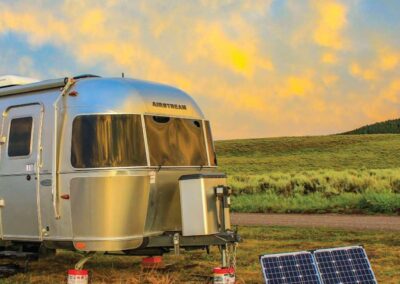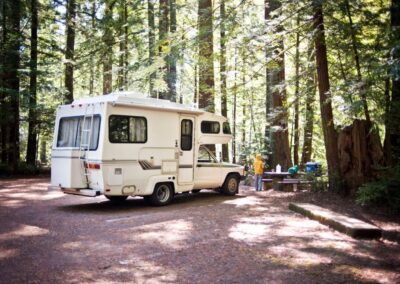
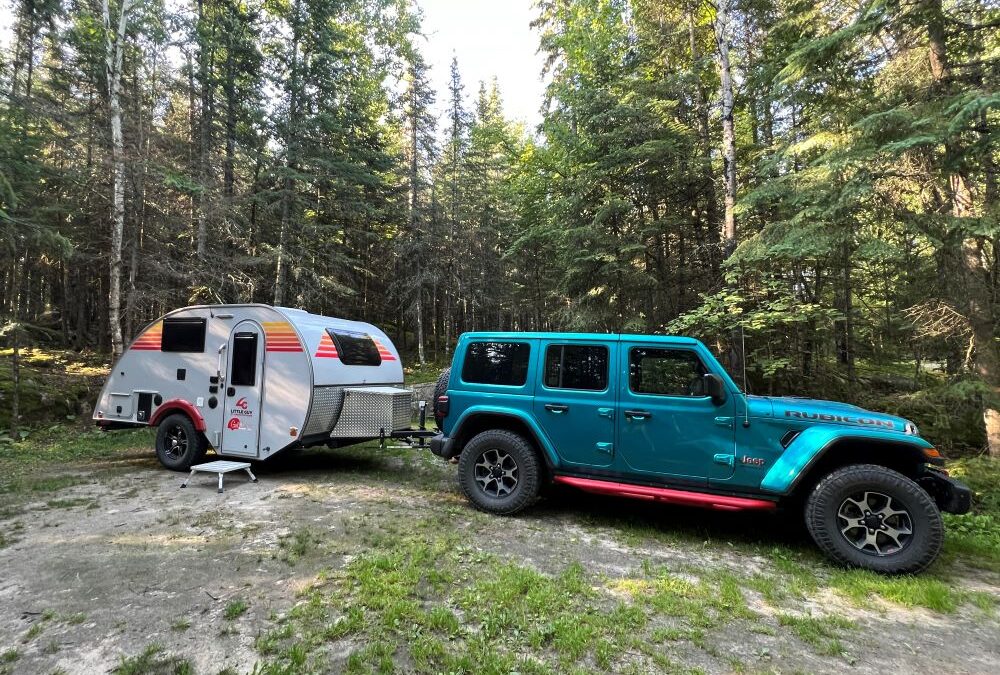
Boondocking in a teardrop trailer is one of the simplest and most freeing ways to experience the outdoors. If you’ve ever wanted to camp somewhere quiet, scenic, and far from crowded campgrounds, this might be your new favorite way to travel.
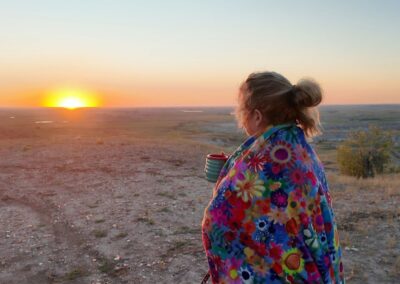
Picture waking up to a prairie sunrise, sipping coffee with no one else in sight, and falling asleep under a sky bursting with stars. That’s the magic of off-grid camping.
What Is Boondocking?
Boondocking, also called dry camping or dispersed camping, means camping without hookups. No electricity. No water connections. No sewer. Just you, your camper, and the landscape around you.
Boondocking in a teardrop trailer makes this style of camping even more accessible because these trailers are small, efficient, and easy to tow. Instead of staying in established campgrounds, you can set up in remote areas such as:
- National Forest land
- Bureau of Land Management (BLM) land
- Some public recreation areas
Always check local regulations and follow Leave No Trace principles.
Why Choose Boondocking in a Teardrop Trailer?
There are many reasons campers are choosing boondocking in a teardrop trailer over traditional campgrounds.
1. Freedom to Camp Anywhere
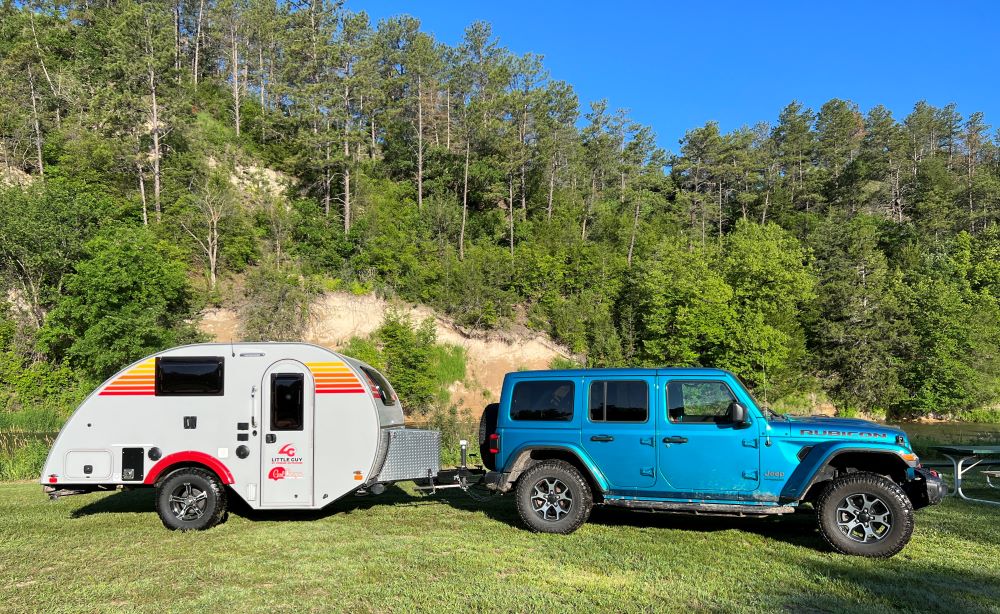
Teardrop trailers are compact and lightweight. Their small footprint allows access to remote roads and smaller dispersed campsites that larger RVs cannot reach.
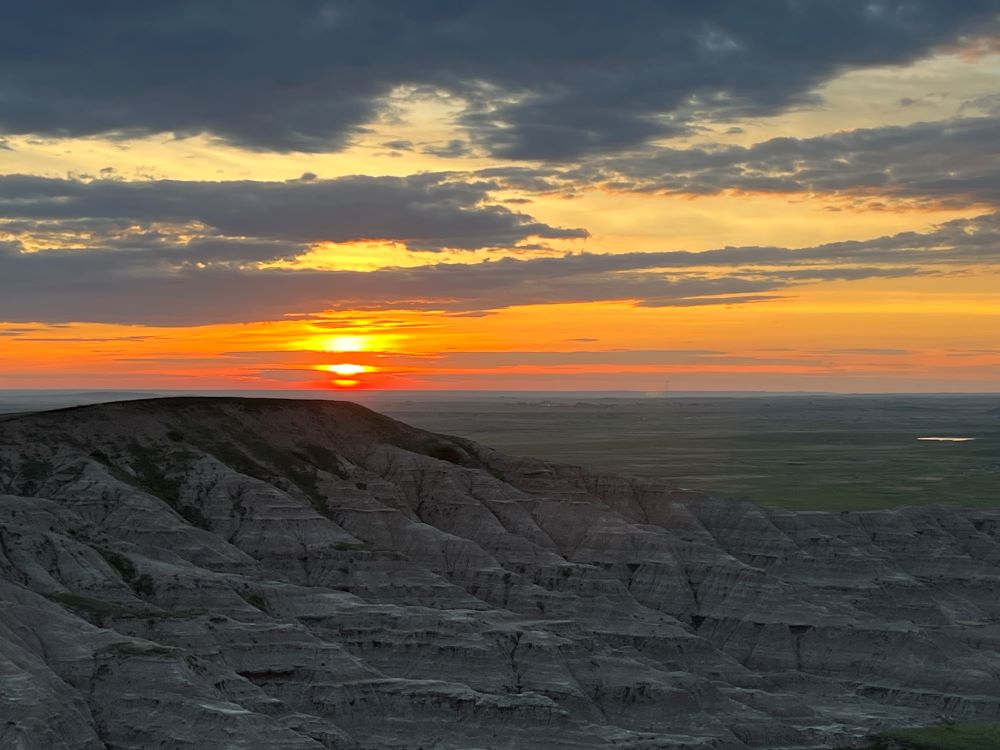
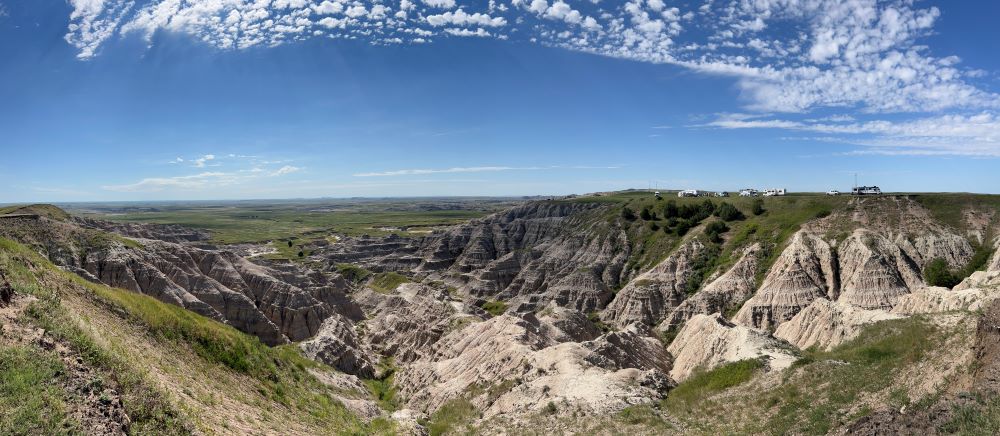
One of my favorite boondocking spots is “The Wall” near Badlands National Park in South Dakota. The sunrise there feels like the earth itself is exhaling light.
2. Lower Camping Costs
Boondocking is often free. Without nightly campground fees, you can extend your trips or explore more destinations.
3. Deeper Connection to Nature
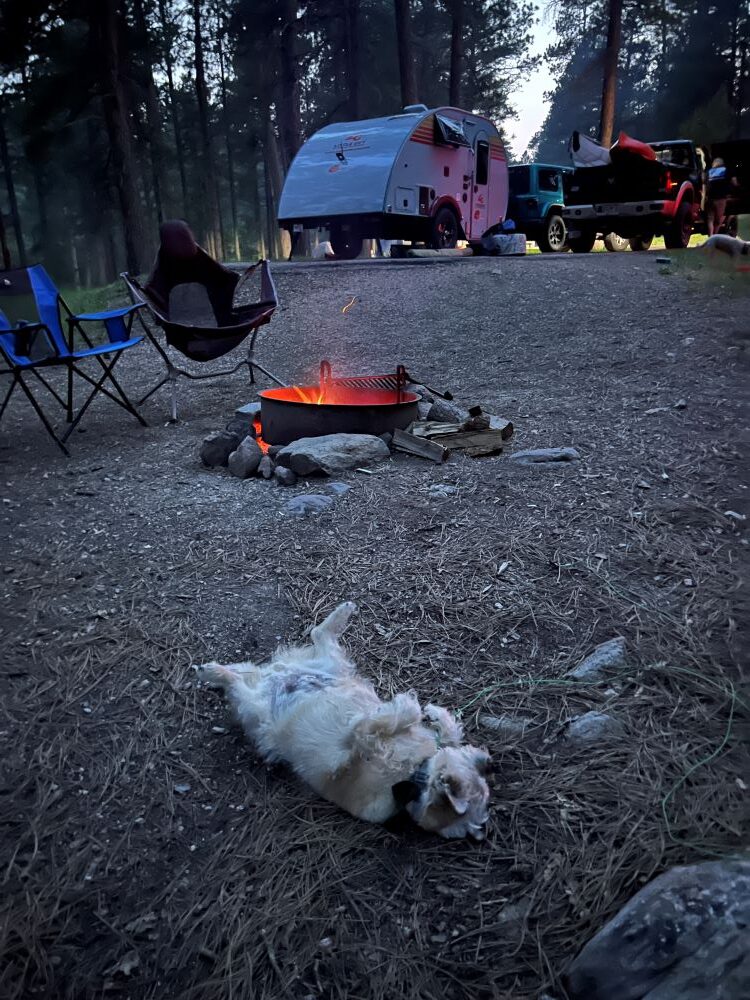
No generators humming nearby. No campground chatter. Just wind, wildlife, and the crackle of a campfire.
Boondocking in a teardrop trailer keeps you close to the outdoors without sacrificing comfort.
How to Boondock Comfortably
The key to successful boondocking is preparation. Many modern teardrop trailers are well suited for off-grid camping, especially when equipped with:
- Solar panels
- Lithium battery systems
- 12-volt lighting and fans
- USB charging ports
- Propane stove for cooking
Solar systems generate DC power, which runs most 12-volt systems like lights, fans, and refrigerators. If you need to power AC appliances, you may need an inverter. However, many essentials can run directly from a 12-volt setup.
With solar and proper battery capacity, you can charge your phone, run lights, power a fan, and even enjoy a movie on a tablet after a long day of hiking.
Finding the Best Boondocking Spots
Technology makes boondocking easier than ever. Apps and websites such as:
- The DYRT
- Campendium
- iOverlander
- FreeRoam
help campers locate dispersed sites, read reviews, and check road conditions.
Look for recent reviews and always have a backup location. Flexibility is part of the adventure.
Quick Setup Makes a Difference
One of the best parts of boondocking in a teardrop trailer is the simplicity of setup.
Unhook.
Level.
Drop the stabilizers.
Open the windows.
You’re ready.
Less time setting up means more time exploring, hiking, paddling, or simply sitting quietly and taking it all in.
Is Boondocking in a Teardrop Trailer Right for You?
If you crave solitude, love wide open landscapes, and appreciate a minimalist approach to camping, the answer is likely yes.
Boondocking in a teardrop trailer offers:
- Mobility
- Comfort
- Simplicity
- Access to remote locations
It is camping distilled to its most essential and beautiful form.
And if you ever want to meet up and camp at The Wall in South Dakota, I’ll bring the coffee.